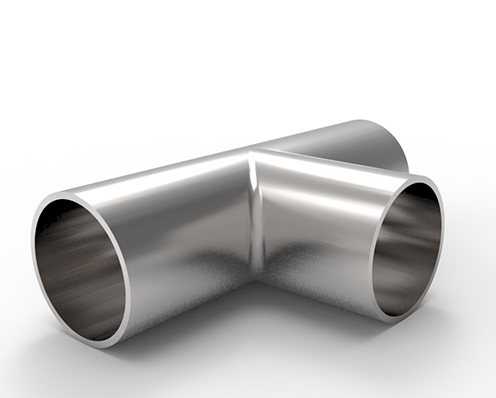
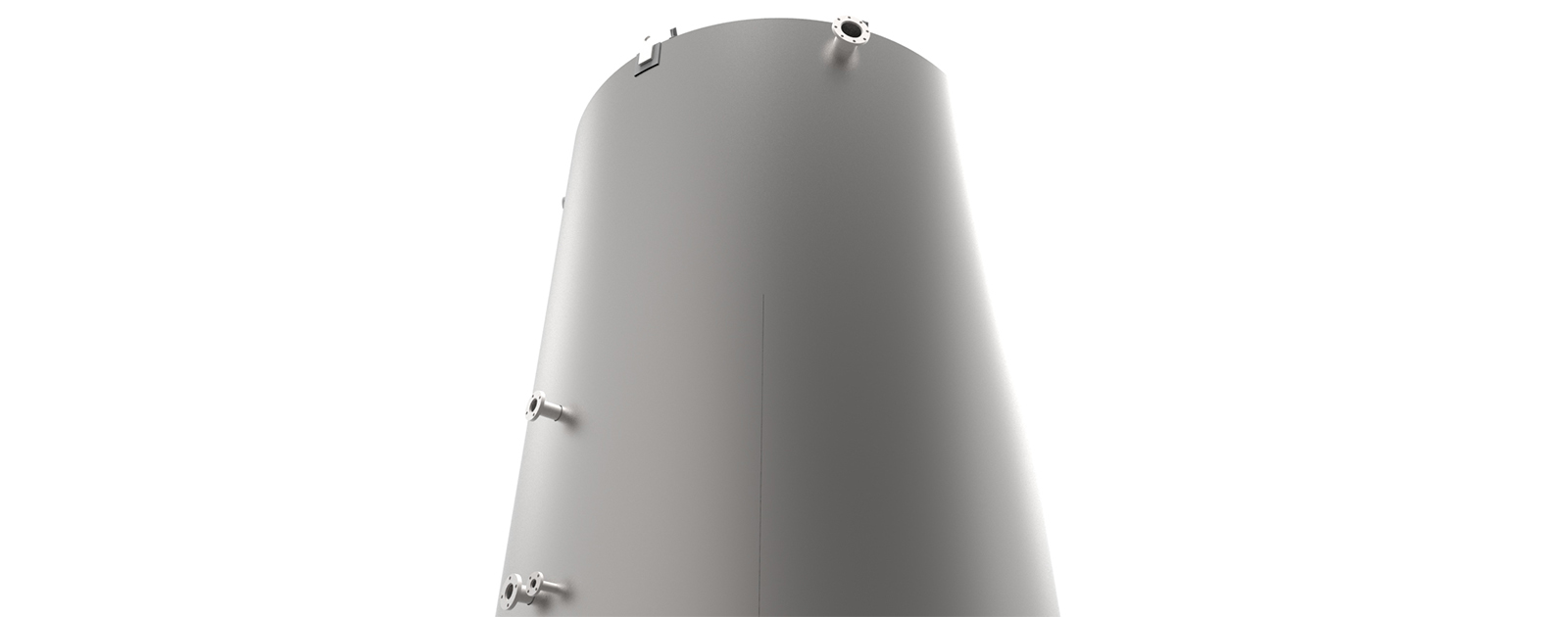
Oxide has been representing Outokumpu, the Swedish company, since 1995, along with several other European manufacturers. Our specialization is in common stainless steels such as 904L, 316L, etc. that are widely used worldwide, through to special metals with high nickel and chromium content, suitable for protection against corrosion in various services.
These metals have high strength (relative to stainless steel). The difference between 304 and 304L is that 304L contains a maximum of 0.03% carbon while 304 contains up to 0.08%. 304L has better weldability than 304. In all other components they are identical. In terms of strength, 304L is slightly weaker than 304.
As in the previous example, the metals differ in carbon concentration — maximum 0.03% in 316L vs. 0.08%. The main difference is the addition of 2%-3% molybdenum which gives better corrosion protection than 304. 316L has better weldability than 316. Yield strength values are identical, but 316L is slightly weaker in tensile strength.
A sound economic and engineering consideration in selecting corrosion-resistant materials compared to 316/316L steels is choosing 904L. The reason is that it contains more chromium, nickel, molybdenum, and copper. Choosing this material can reduce wall thickness in reactors, pipes, and fittings, and extends material service life.
Oxide supplies 254SMO at attractive prices and delivery times in all accessories and products. This material is used exclusively for surface treatment and serves as a replacement for 904L. It shows resistance to hydrochloric industrial acids, but shows weakness against silicon fluoride (H2SIF4) and hydrofluoric acid (HF).
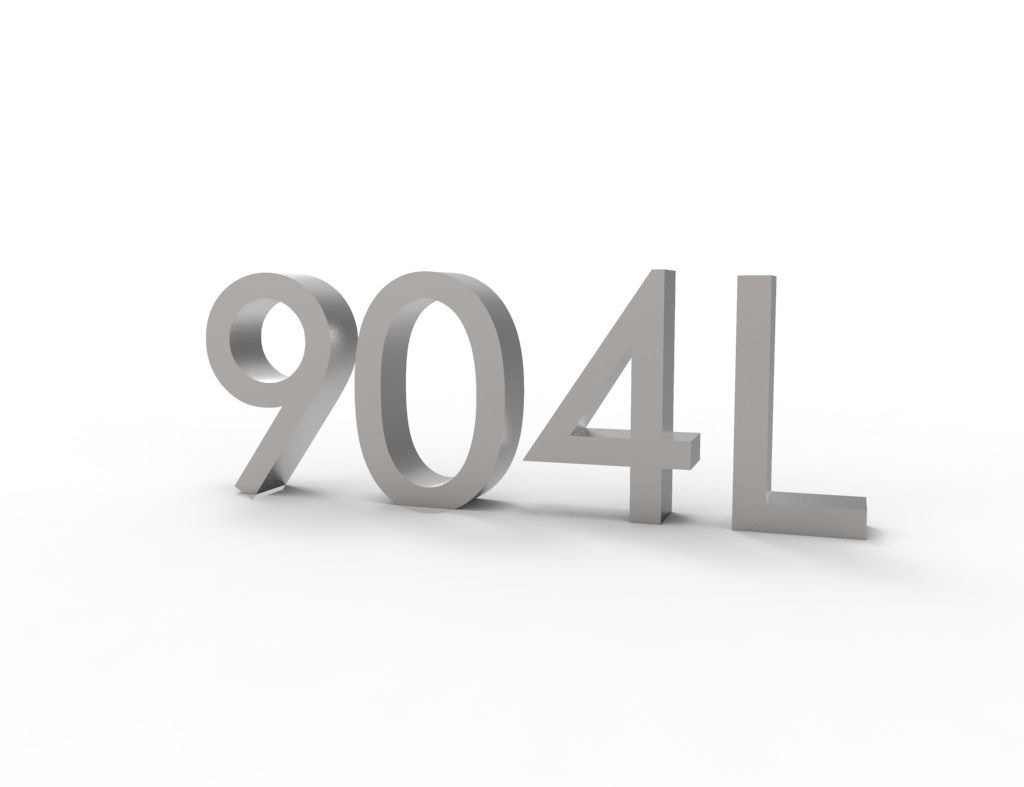
904L Provides better protection than 316 or 316L because it contains more chromium, nickel, molybdenum, and copper.
254SMO Used mainly for seawater desalination. Oxide supplies this material including pipe fittings and sheets.
316L Contains a small percentage of carbon, excellent against corrosion. Oxide primarily supplies sheets.
Duplex 2205 An extremely corrosion-resistant alloy against a wide range of corrosion types: stress, fatigue, and crevice. Very high strength.
310 Resistant to high temperatures with high chromium and nickel content. Resistant to over 1000°C.
304L High strength compared to carbon steel with excellent weldability.