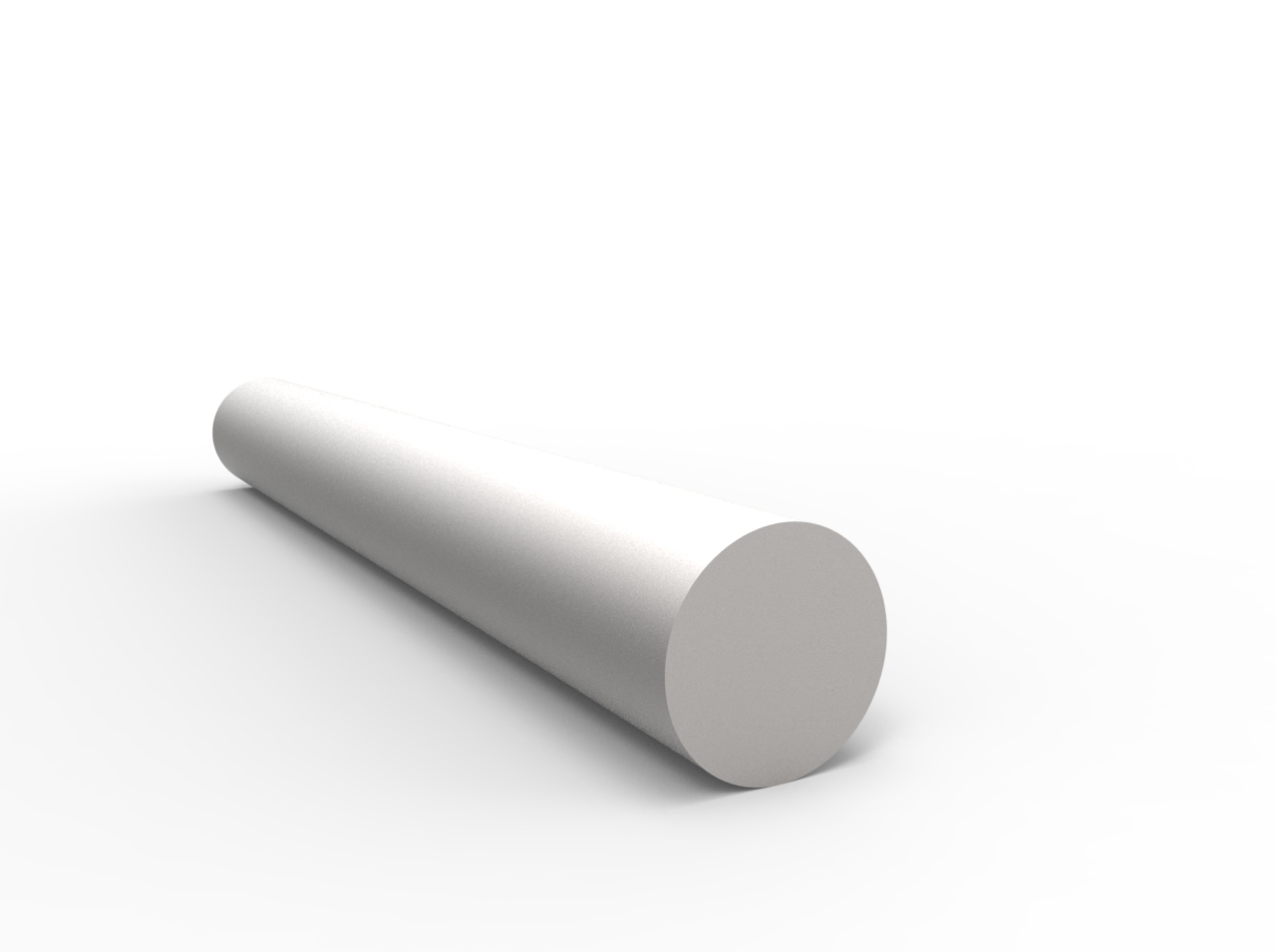
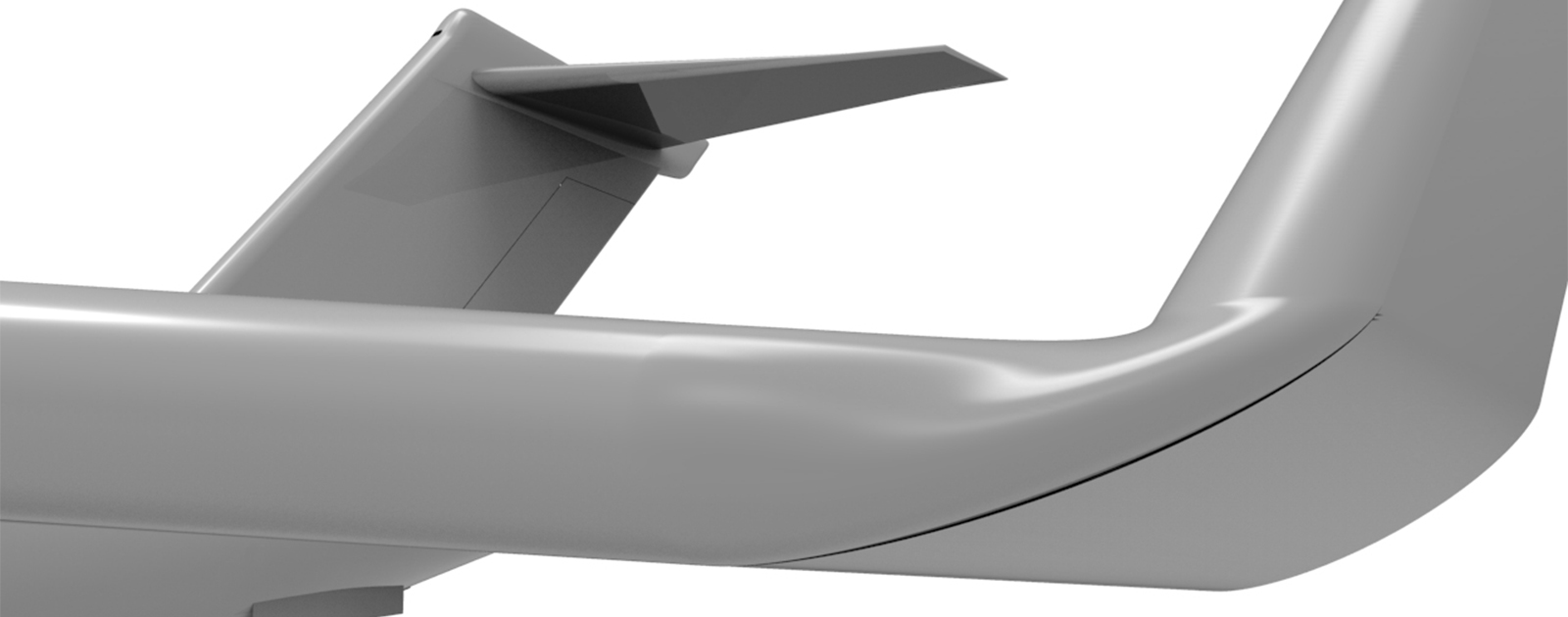
Titanium is a very common element in nature, though its extraction is more difficult. It is resistant to very high temperatures and melts at 1680°C. Titanium is characterized primarily by its very high strength-to-weight ratio and is also corrosion resistant.
Titanium must be extracted in a protective atmosphere, which makes manufacturing difficult and is the reason the material is imported. The price of titanium is relatively high compared to other industrial metals, so it serves industries that require its special properties.
Titanium has several alloys defined by Grade and number. Each grade has different alloy percentages with other materials and is intended for a specific industrial use.
For example, the aerospace titanium also used in medicine is Grade 5, containing 6% aluminum and 4% vanadium. The alloy combination significantly improves its flexural, tensile, and fracture strength, making it suitable for aircraft parts requiring strength against air stresses while keeping weight low to save fuel.
To exploit titanium's corrosion protection ability, 0.15% palladium is added, though this doubles the material cost. Titanium production and processing requires a protective atmosphere (absence of oxygen).
Grade 1 99.5% titanium, strength of 240 MPa, highly ductile in cold forming up to 24% plastic deformation, corrosion resistant. Easy to cold-form and machine, used for knives, eyeglass frames, drills, etc.
Grade 2 99.2% titanium, strength of 344 MPa, ductile in cold forming up to 20% plastic deformation, corrosion resistant in the same acids as Grade 1.
Grade 5 The most common grade in aerospace and medical implants. Also called Ti-6Al-4V or titanium 6-4. Combines exceptional strength with corrosion resistance and thermal resistance — the most versatile material for a wide range of applications.